Duo Wins History of Sciences & Technology Award
March 4, 2026
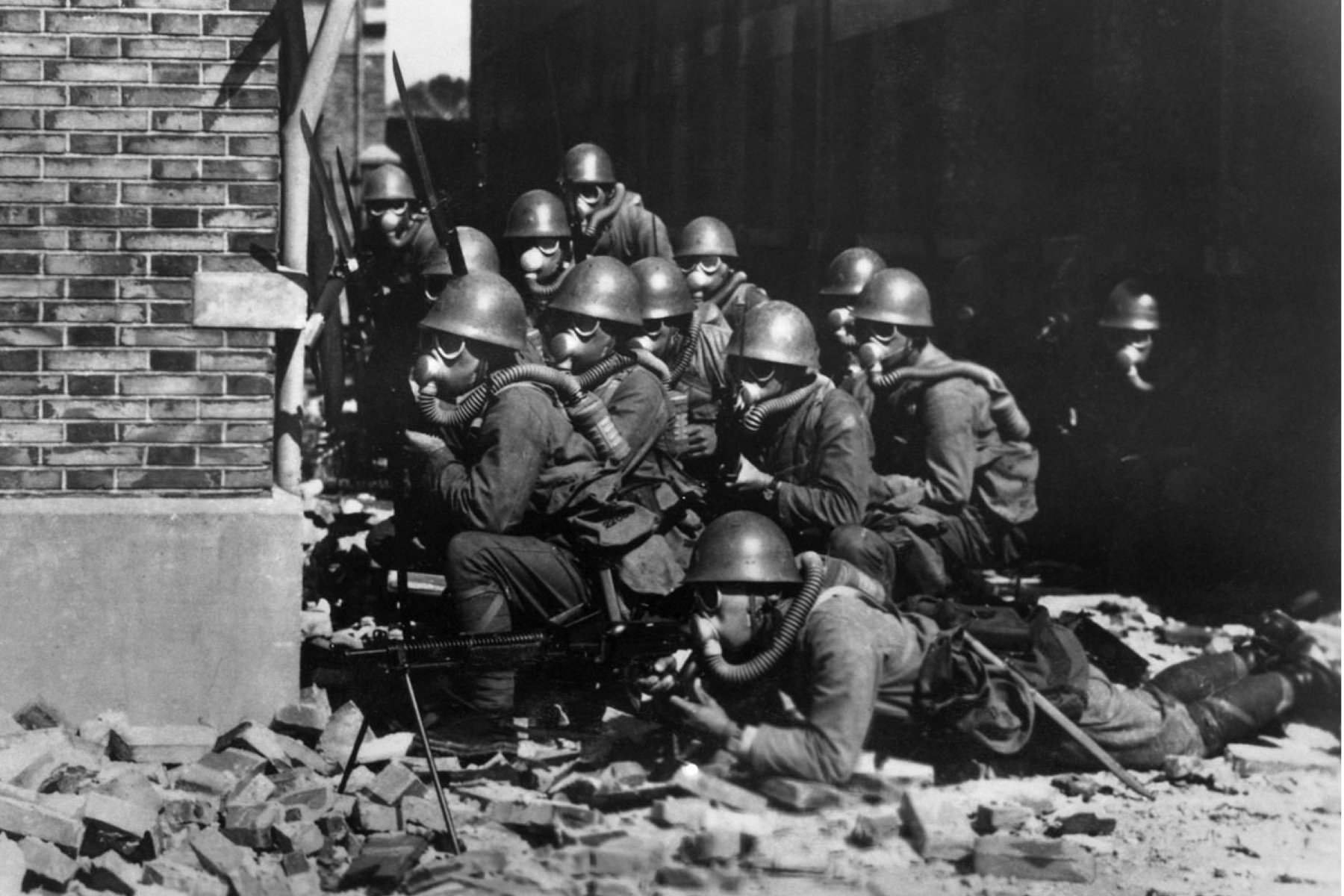
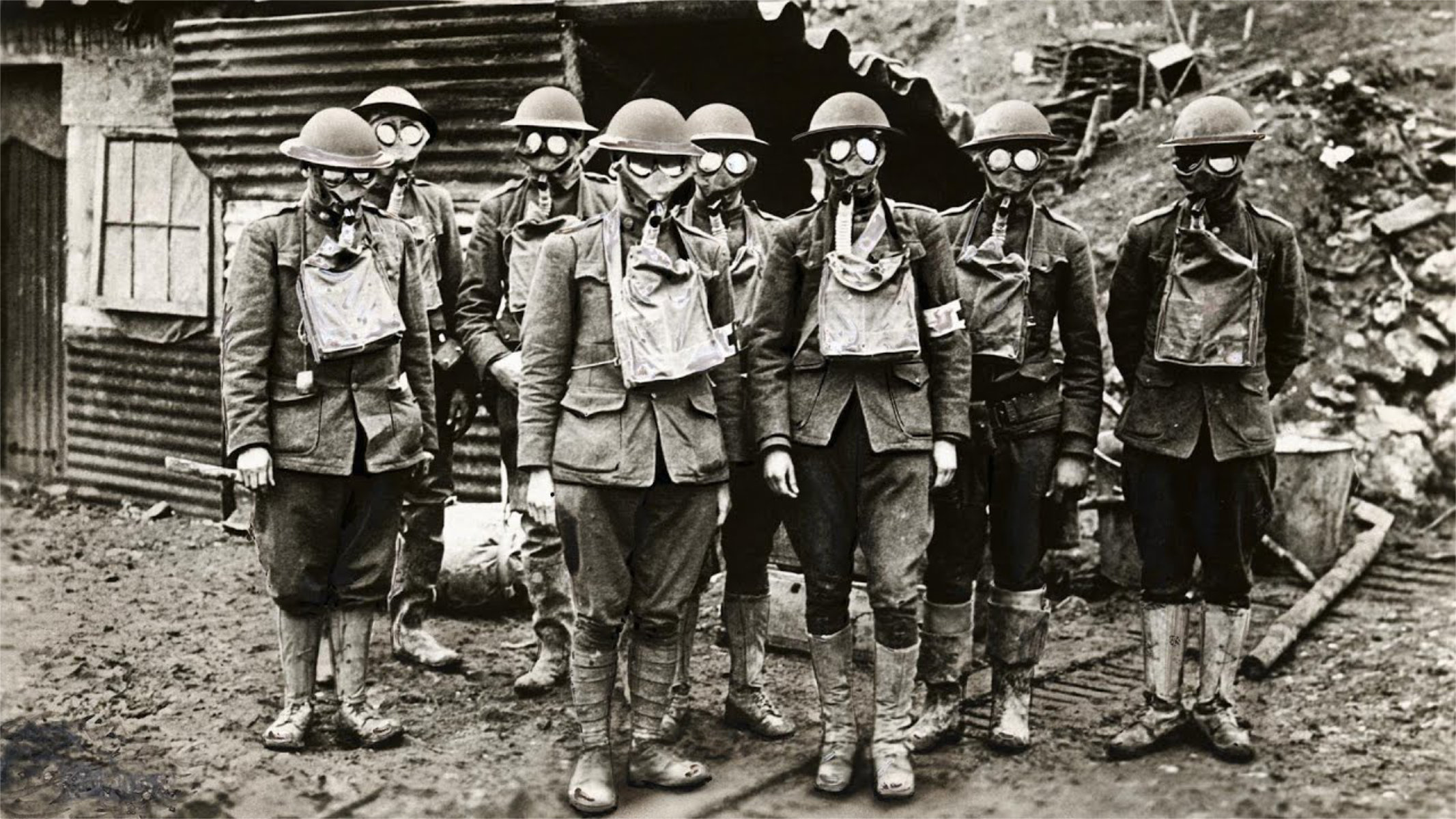
Juniors Olivia Lee and Manpreet Kaur joined forces as research partners and developed a website crammed with facts, figures and analysis. They named their project “Chemical Warfare in the World Wards: The Gateway to Modern Day Chemotherapy and Cancer Research.” The teenagers entered their work into Huntington High School’s National History Day contest and it was named the Outstanding Entry on the History of Sciences and Technology.
The research partners carefully considered possible topics for this year’s National History Day contest and one of their first ideas was to focus on some aspect of the medical field.
“We came across chemotherapy and its origins, finding it captivating due to its involvement with the World Wars,” states the process paper that accompanied the project. “It’s connection to chemistry seemed appropriate to research, as we are both enrolled in AP Chemistry this year. We came to the conclusion that this topic was our top choice after we investigated and saw that the use of chemical warfare and its impacts on oncology are a discernible representation of this year's theme: ‘Revolution, Reaction, Reform.’ Not only did chemical warfare revolutionize war but it forever changed cancer treatment and research, the government's involvement and acts would further push the importance of cancer research, altering pessimistic viewpoints and erasing misconceptions. We understand how detrimental diseases like cancer are to society and daily life.”
National History Day contest participants vied in categories ranging from research papers to individual and group websites, exhibits and documentaries. Teams of teachers served as judges for each category and spent hours evaluating the projects, many of which were displayed prior to the announcement of this year’s award winners.
The annual history initiative seeks to make history more relevant for students and requires them to use a variety of practical and creative skills during the development of their projects.
“We were curious to understand how these big breakthroughs were even able to come about, what initiated cancer research and chemical treatments?” asked the researchers in their process paper. “In order to answer our questions and build our research we scoured through the internet to look at various different sources from different time periods. Articles, magazines, journals, websites, etc., all helped us deepen our understanding of chemical warfare, cancer, cancer research, government involvement, etc. We each focused on finding key events and diving deeper into them.”
Ms. Lee and Ms. Kaur both boast weighted academic averages over 105. They are powerhouses in every possible way.
“To actually put together our research we created various Google documents organizing our rough drafts and information,” states the process paper. “We looked through the NHD rulebook and guides in order to format our website, making it easy to access and navigate whilst also providing the information and message that we worked to convey, which is our argument that the use of chemical warfare paved the way for modern day chemotherapy and cancer research by initiating the interest and intrigue in why these chemicals caused the effects they did. The research to understand these chemicals, how they work, how to reverse the effects etc., naturally flowed into understanding how they affect cells, especially cancer cells.”
The Group Website category project took countless hours to develop. Research alone required a substantial time commitment. Once the Ms. Lee and Ms. Kaur had the material in hand, they went about designing and organizing their website.
“Our topic illustrates the duality that comes with the various elements and events throughout history,” according to the process paper. “Chemical warfare, which took so many lives and was detrimental to so many soldiers around the world, paved the way for something so scientifically intricate that would cure what was deemed incurable. Our topic shows how research and the augmentation of these scientists’ work, revolutionizes entire fields of science, how the government's funding and reforms implements this research and impacts the lives of thousands, and how the people's perspectives change as history advances. Researchers took a fatal weapon and turned it into a treatment that helps save millions of lives.”