Junior Nataly Posada Captures NHD Individual Website Category
February 23, 2026
With recently released estimates from the Congressional Budget Office showing that the Social Security Trust Fund will run out of money to pay full benefits by fiscal year 2032, Huntington High School junior Nataly Posada’s award winning website seems especially timely.
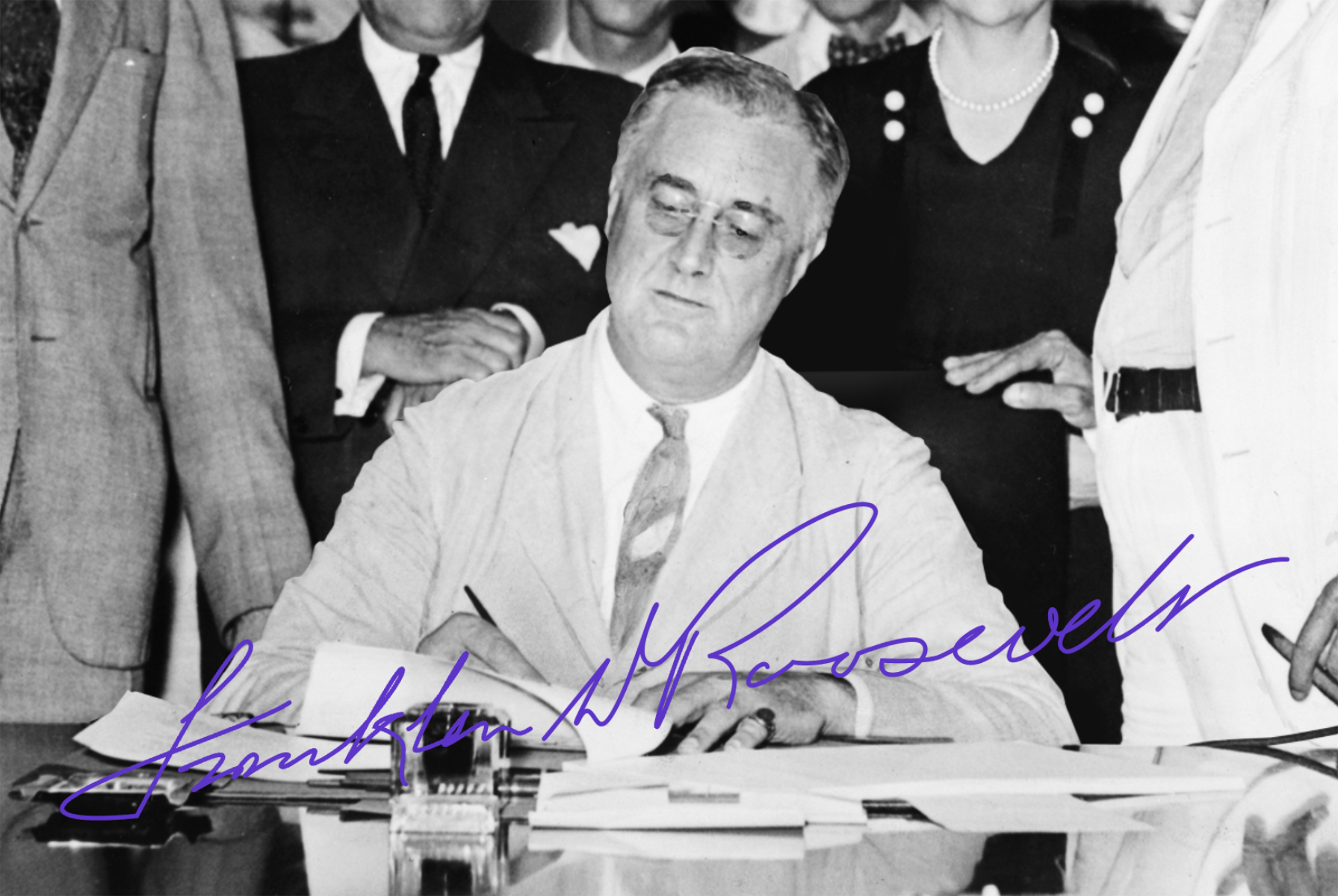
Ms. Posada won first place in the Individual Website category at Huntington’s National History Day contest for her project titled “A New Deal for America: How did Social Security Redefine Government’s Role.” The project will now advance to the Long Island History Day regional finals at Hofstra University.

“The Social Security Act of 1935 was a major milestone in American history that transformed the government’s role in protecting its citizens from economic hardship,” states Ms. Posada’s thesis for the project. “Created during Franklin D. Roosevelt's New Deal as a reaction to the Great Depression, the Act introduced a system of federal support that provides relief to the elderly, unemployed, and disabled. This bold reform replaces decades of limited, hands-off government policies with a new promise of shared responsibility between the state and the people. The program's success inspired a major change in American society and government, redefining what citizens could expect from their nation and continuing to shape debates about security, fairness, and reform today.”
Ms. Posada is an incredible young woman. In the second marking period, her weighted academic grade average exceeded 103.
“In selecting a topic, I wanted to find a topic that was interesting to me,” wrote the junior in the process paper that accompanied her project. “As I was looking at a variety of different topics that were related to the annual theme of ‘Revolution, Reaction, Reform.’ I wanted to find something that was significant and connected to how the government responded to people’s needs during hard times. I asked myself these questions: How do governments react in times of national crisis? What kinds of reforms can truly help people and create lasting change? Who is responsible for making sure citizens have security in their lives? Then I thought back to when we learned about the Great Depression and President Franklin D. Roosevelt’s New Deal programs. I was especially interested in the creation of Social Security, which was both a reaction to the suffering caused by the Great Depression and a reform that provided long term support for millions of Americans. This stood out to me because FDR’s leadership and the Social Security program showed how thoughtful reforms can improve people’s lives and shape the country’s future.”
Ms. Posada said she conducted research by gathering information from multiple sources. “My main sources were President Franklin D. Roosevelt’s fireside chat about Social Security and government records from the Social Security Administration,” she wrote in the process paper. “I also reviewed historical websites and documents that explained how the Great Depression affected American families and why a program like Social Security was needed. Finding sources that described the creation of the Social Security Act, the debates in Congress, and the impact it had on workers and seniors was crucial to my research. I made sure my information was accurate and reliable by comparing details from multiple sources to confirm that they matched.”
Ms. Posada noted that prior to enactment of the Social Security Act, most Americans 65 and older lived in poverty and lacked a financial safety net.
Social Security was a direct reaction to the Great Depression's widespread poverty and unemployment. Before 1935, most Americans over 65 lived in poverty with no safety net.
“President Roosevelt's New Deal showed government intervention was necessary to protect citizens during the economic crisis,” wrote Ms. Posada in the process paper. “The program balanced federal responsibility with individual security, proving the government could help without creating excessive central power. It became a model for future social welfare programs. My topic is significant in history because Social Security transformed U.S. history by creating a permanent safety net after the 1929 crash devastated families nationwide. From helping seniors, the blind, disabled, and orphans in industrial cities and Dust Bowl regions, it now supports millions of Americans. As the New Deal's most successful program, it stabilized the economy and redefined the government's role despite ongoing reform debates.”
Click here to view the website: https://site.nhd.org/43639818/home